
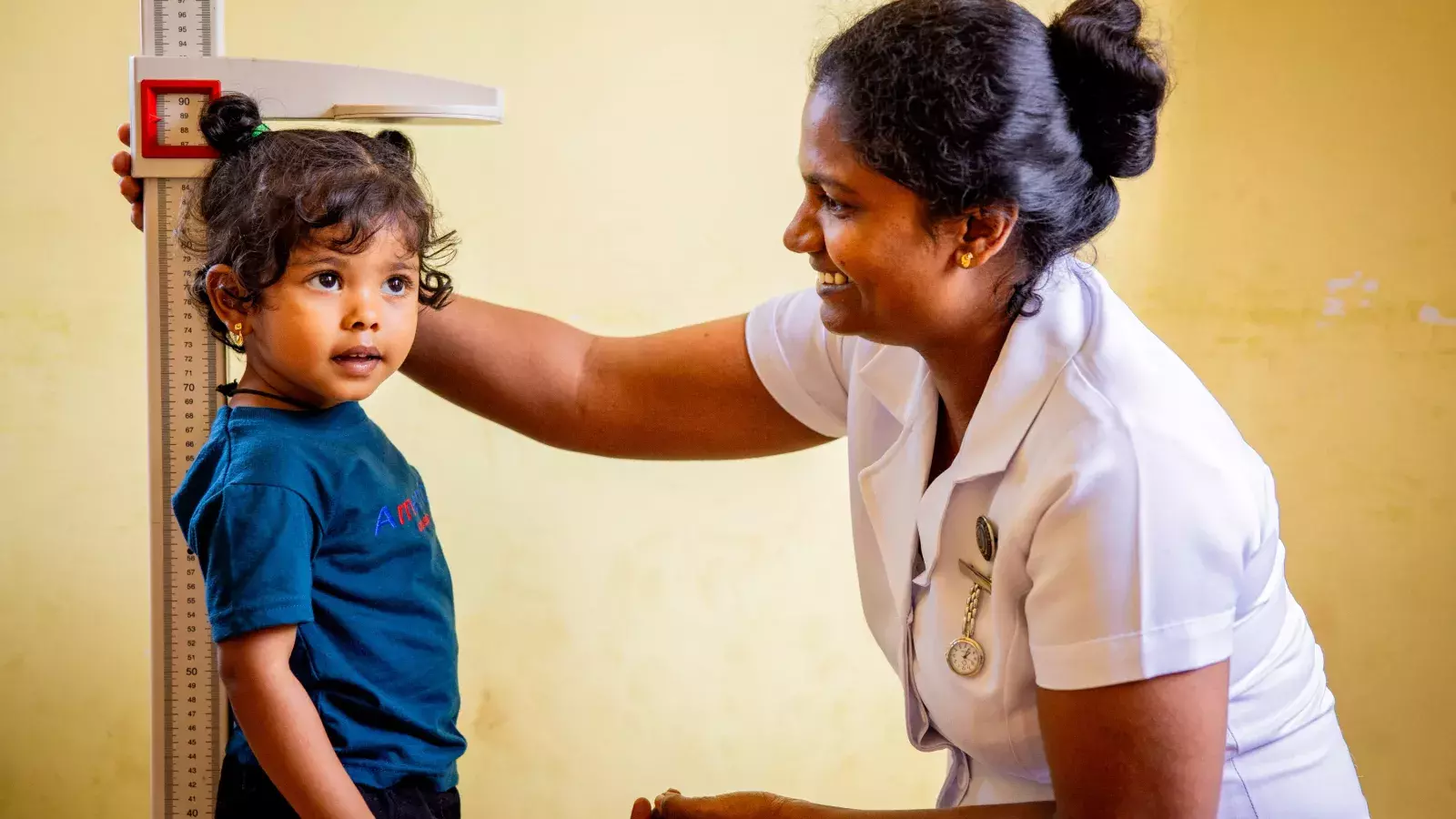
Enable Children To Grow Healthy
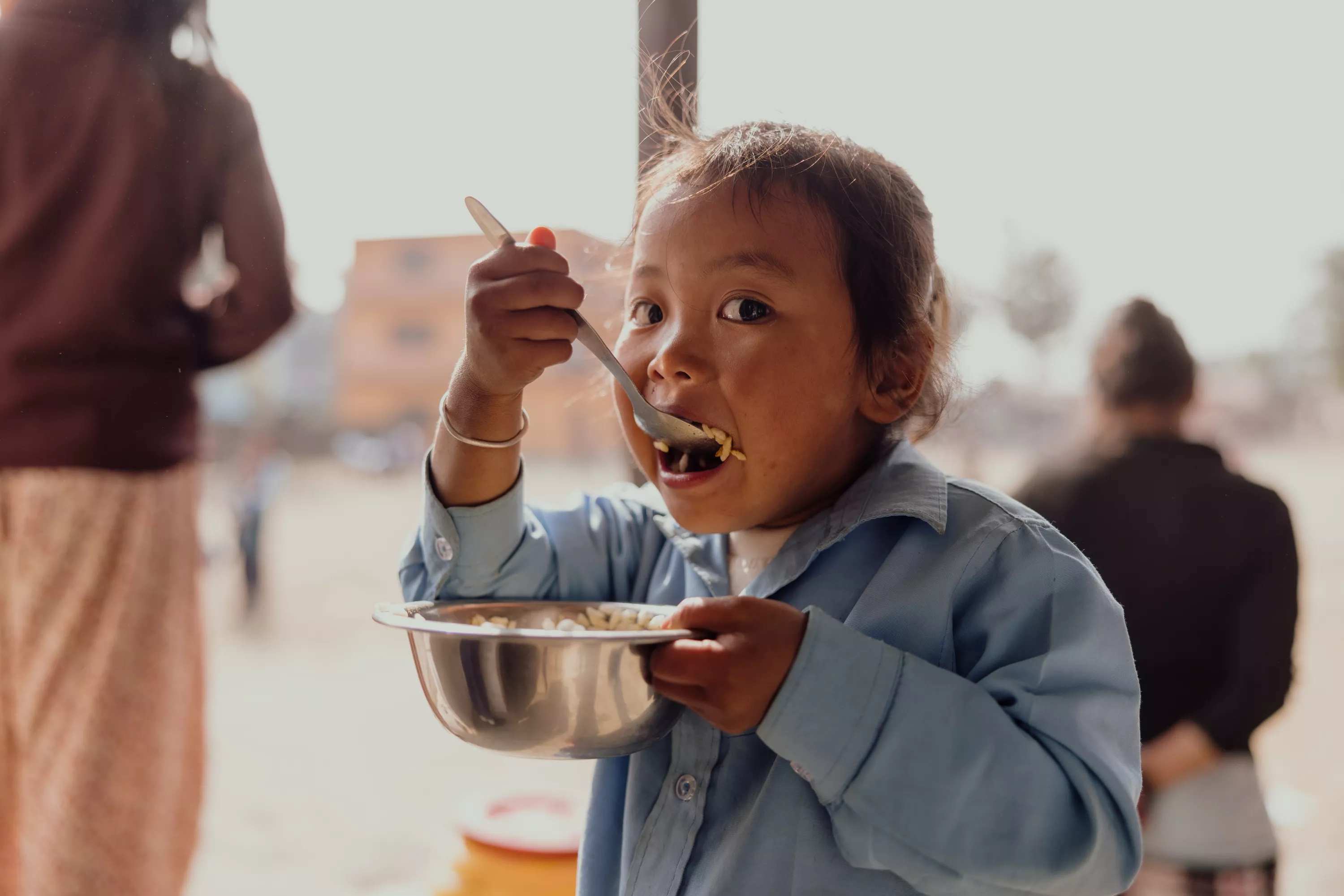
Health & Nutrition through Child Sponsorship
When you sponsor a child, you help give them a healthy start in life. From proper nutrition to essential healthcare, your support helps children grow stronger, fight illness, and reach important milestones. You’re not just supporting one child - you’re strengthening families and enabling communities to better care for their children.
Key Challenges

Lack of Access to Healthcare Services
Many families travel long distances to reach health facilities, which are often under-resourced. Clinics may lack proper equipment, and trained health workers are limited, making it difficult for children to receive timely and effective care.

Limited Health and Nutrition Knowledge
Parents and caregivers may not recognise early signs of illness such as malnutrition or know how to prevent them. Mothers may also lack knowledge on proper pre- and postnatal care, and the importance of balanced nutrition for their children.

Gender Inequality
Maternal health is often overlooked, especially among women with limited voice and access to care. Many girls are married early, facing higher risks during pregnancy and childbirth before their bodies are fully developed.

Economic Poverty
Families rely on unstable incomes from agriculture and livestock. Many struggle to provide enough food, let alone consistent, nutritious diets for their children throughout the year.
World Vision's Health & Nutrition Programmes
Our health interventions target the leading causes of illness and death among children under five. Using family- and community-centred approaches, we drive positive behaviour change, strengthen community systems and break the cycle of vulnerability.

Nutrition & Food Security
Support families to provide consistent, nutritious food for children, strengthening food security and reducing malnutrition.

Disease Prevention & Health Education
Equip communities with knowledge and tools to prevent infections and diseases, including malaria and other life-threatening illnesses.

Access to Essential Health Services
Strengthen local health systems by training health workers, supporting maternal care, and improving access to quality healthcare services.