
Livelihood & Microfinance
Lorem Ipsum
700 million people – one in 10 people in the world – live in extreme poverty on less than US$2.15 a day. The impact of extreme poverty on children’s development is significant – malnutrition among young children from developing countries is about 2.5 times higher in the poorest families compared with the richest2.
The world’s poorest citizens – those furthest behind – lack the means to pull themselves forward. Even for the more enterprising, banks refuse to grant loans due to their lack of collateral or credit history, so they are unable to start and grow a small business.
The poor are often excluded from economic opportunities, and in particular, women are the most affected.
They are not paid as much as men and are often discriminated against. Gender norms often relegate women to household roles and exclude them from decision-making on household expenditure.
You can help break this cycle by providing microfinance to entrepreneurs!
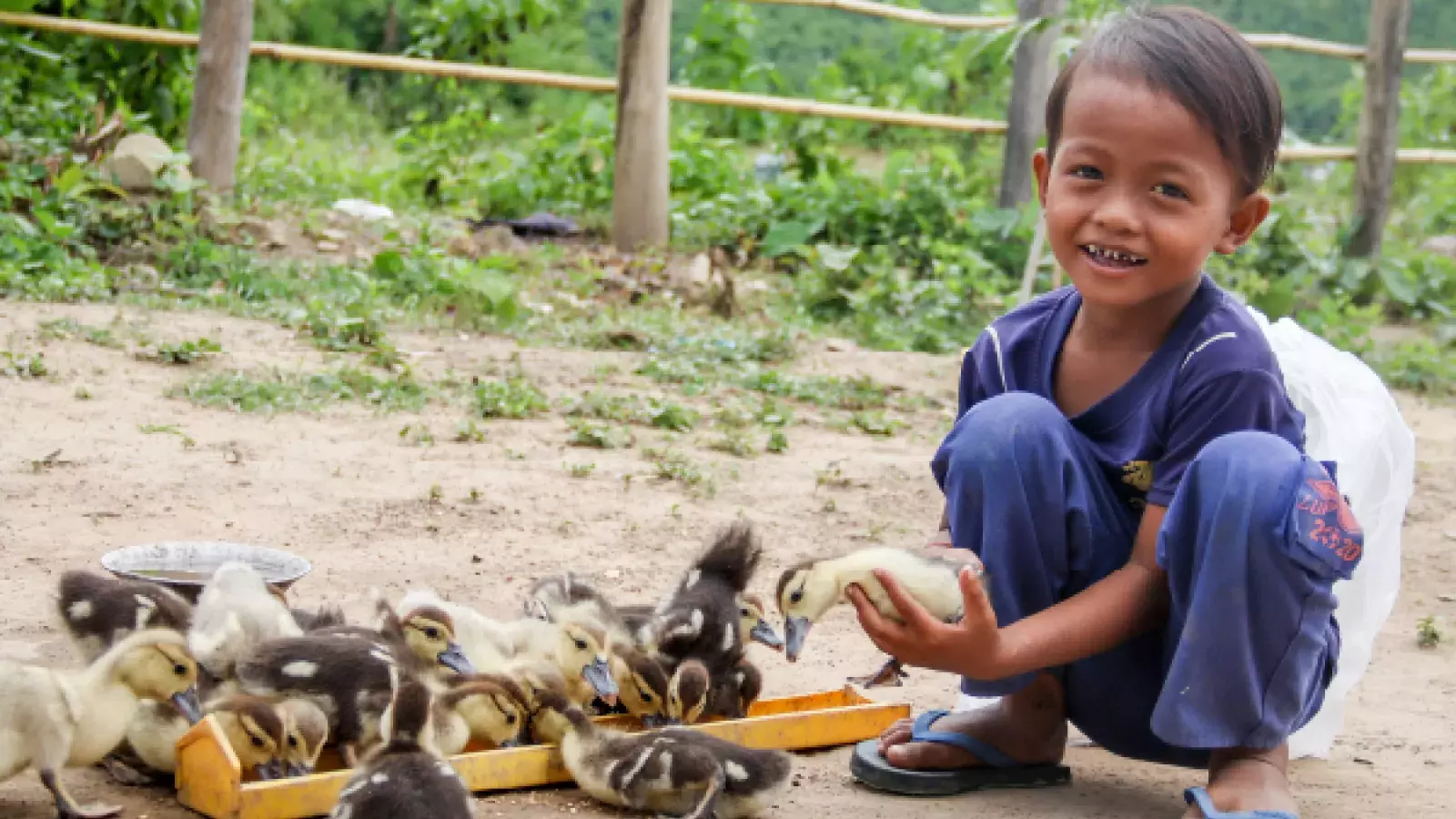
With microfinance, small livelihood loans are given to vulnerable, but enterprising villagers, especially women, so they can start and/or grow their small businesses or farms. With improved livelihoods, parents can do more for their children - providing them nutritious meals and ensuring their continued education. In time, this can lift and transform an entire community.
1 World Bank “Fact Sheet: An Adjustment to Global Poverty Lines”, May 2022
2 Morgan R. ed. 2016: The Global Child Poverty Challenge, Practical Action Publishing, Rugby, UK
Key Challenges
Lack of Capital
Poor farmers are unable to afford essential agricultural inputs, like plant fertilisers and animal vaccines, to boost their productivity.
Lack of Education and Knowledge
The poor are often uneducated and lack the skills that can land them better paying jobs. Those who are farmers may also lack the necessary know-how to maintain or improve their yields.
Limited Job Opportunities
The job market in villages is small. This shrinks even further during the dry season when farms do not need workers. Often, the only way to get better jobs is to move to urban areas, but many who make the move, including children, end up being exploited instead.
Weak Institutions and Financial Infrastructure
Bigger markets nearer cities offer better prices for goods, but are too far away. Instead, the poor often rely on middlemen, who take a cut of their profits, or borrow instead from local money lenders with high interest rates.
World Vision’s Work in Livelihood & Microfinance
Every 60 seconds, a family receives the tools to overcome poverty.
This is possible because our work in livelihoods addresses the underlying causes of child poverty, food and nutrition insecurity, vulnerability to climate-related events, and lack of access to markets and financial services.
We help people build a pathway out of poverty by:
Equipping Families to Take the First Steps on the Economic Ladder
Providing access to temporary food and cash assistance, savings groups, training and marketing expertise to help families kickstart small business or access employment.
Building Secure Livelihoods and Market Access
Strengthening families’ knowledge and skills to build farm businesses that consistently produce enough to feed their children nutritious food, and generate improved income for savings.
Building Potential for Sustainable Development
Helping youth to develop relevant workplace skills and providing small loans services, knowledge and skills transfer, organising groups and leveraging mobile technology to enable individuals to open doors to new opportunities.
Empowering Women through Economic Opportunities
Intentionally empowering women through savings for transformation groups, skills training, education, and access to small loans. As more cash and assets pass through women, their children become educated and healthier.
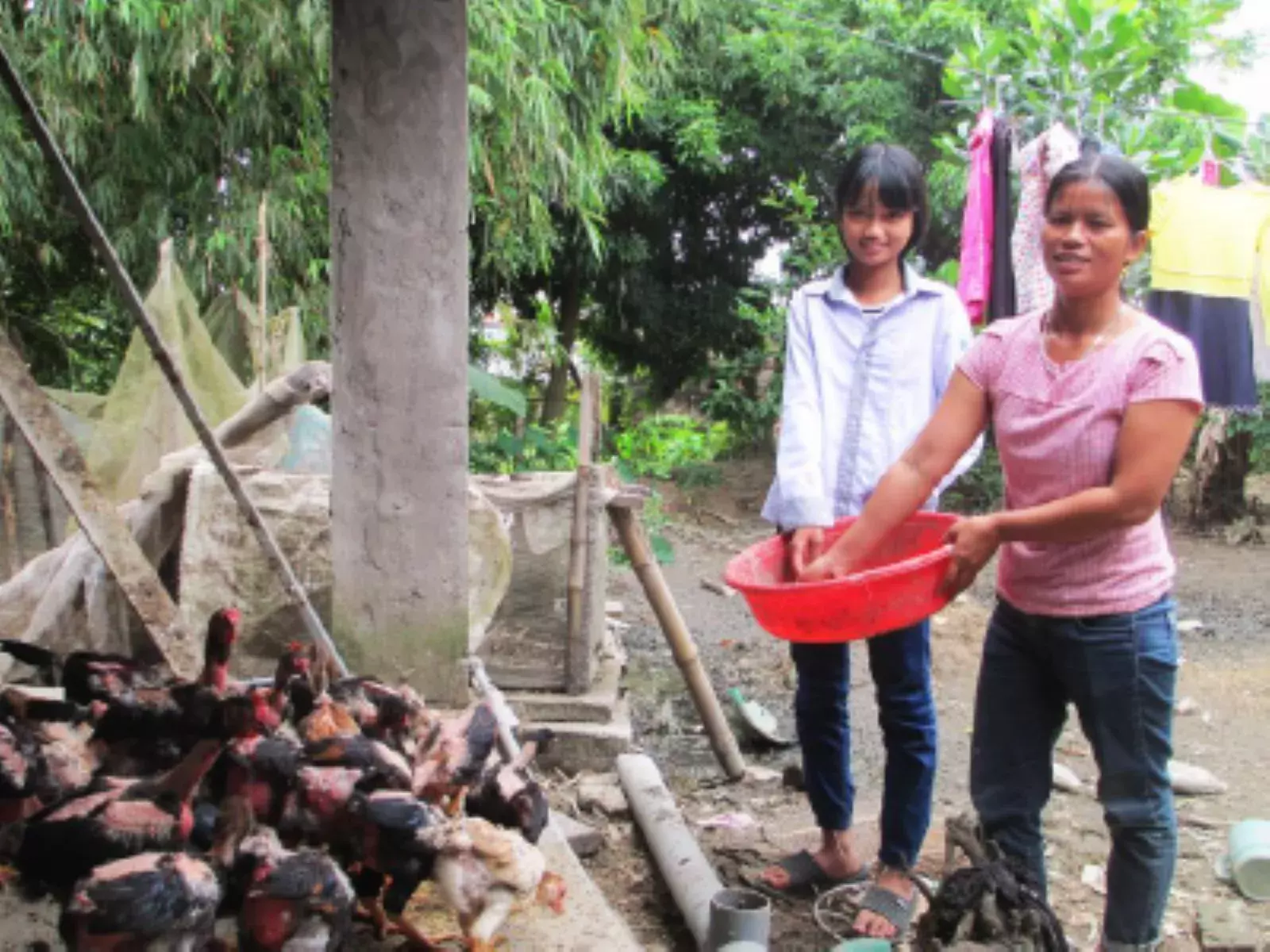
Chicken-Raising Business and Microloans
Because of the microloans, my chicken raising business has grown. This helps me not only earn more money, but also improves nutrition for my kids and pays for their school fees. I’m very grateful and want to thank World Vision for providing access to the loans and helping me budget to expand my business.
You can contribute to a child’s sustained well-being, simply by supporting his or her parents with livelihood opportunities.
Stories of Livelihood & Microfinance
The Walk 10-Year-Old Maybelle No Longer Needs to Take
Thanks to a new water system, Maybelle no longer misses school or walks long distances. Clean, reliable water is now just steps from home -...
When Water Hurts
Water takes up most of 8-year-old Mervis’s day - and most of her childhood too. She carries 20 litres on her head, heavier than...
More Than A Job: The Men Who Drill For Hope
This Labour Day, we honour World Vision’s drilling team – skilled, selfless, and steadfast. Their work brings more than water; it brings life,...