
Education
A World With Education For All
World Vision's education programme focuses on improving the access to and quality of learning opportunities for all children from birth, through childhood and adolescence. We believe in every child’s right to a quality, safe, inclusive and transformational education that empower children for life.
The road to equal and quality children's education is still paved with many challenges along the way. And worldwide, 244 million children and youth are still out of school for social, economic and cultural reasons.
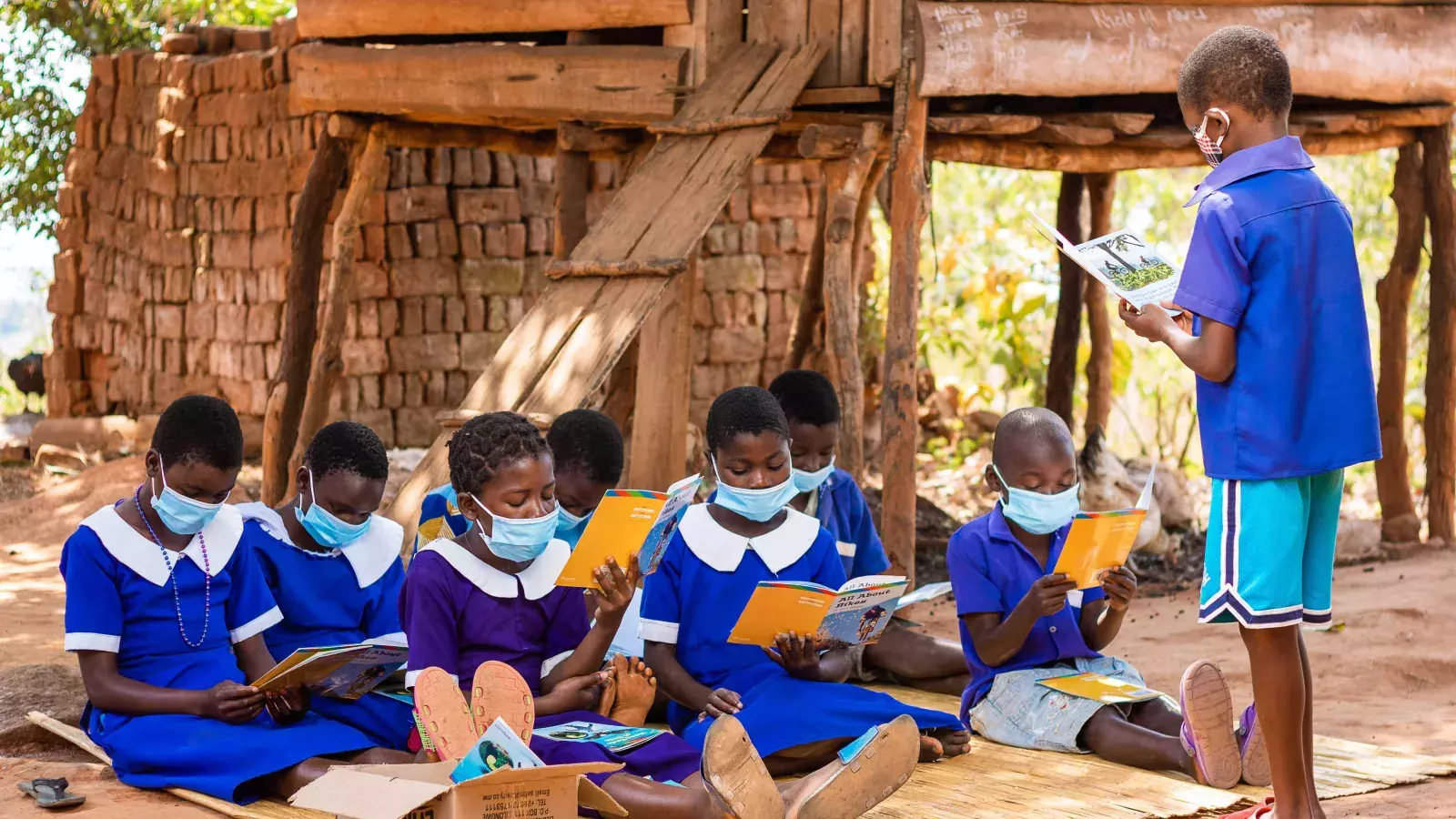
The lack of trained teachers, unconducive learning environments and inadequate learning resources are a challenge to learning for many children in rural areas, especially if they come to school hungry or sick due to lack of food or exhausted from work or the long commute to school.
Education Through Child Sponsorship
When you choose to sponsor a child, you transform the lives of children in holistic ways, including the aspect of education. You can transform the future of children simply by supporting their access to quality education.
Together, we can bring education closer to one child, one community at a time.
Challenges Children Face
Access to Schools
Children from rural areas are twice as likely to be out of primary school than those from urban areas due to location.
Run-Down Infrastructure
Schools in rural areas are often poorly maintained, with inadequate sanitation facilities, poorly lit classrooms, and leaking roofs during rain.
Poor Quality of Education
There is a lack of trained teachers in rural areas and inadequate learning material to support students.
Economic Poverty
Many children go to school hungry, sick or exhausted from work or household chores to learn effectively
Gender Discrimination
Girls are often at a disadvantage as cultural norms often dictate that they should stay home and help with household chores.
For children in many of these communities, relief efforts from humanitarian organisations like World Vision are the children's only hopes of getting a proper education. Through your charity donations, better infrastructure can be built and more teaching resources can be allocated to help the children learn better.
https://www.unicef.org/education/girls-education
World Vision’s Work
“Educated for Life” is the approach at the heart of World Vision’s education strategy, where programmes have been developed according to age group:
Early Childhood Development (ages 0–6)
The early years are critical. Our Early Childhood Development (ECD) programming spans from pregnancy through to age six to ensure children form strong foundations for early learning in a secure and stimulating environment.
Primary School (ages 6–12)
Helping children attain the basic skills of literacy and numeracy is our main focus in primary school, with a goal of increasing the number of children who are able to read with comprehension.
Adolescents (ages 12–18)
World Vision prepares adolescents for work and a productive adulthood, by helping them develop vital skills to pursue their educational and life goals. This includes addressing the key barriers that girls face as they grow into adulthood.
Child-Friendly Spaces
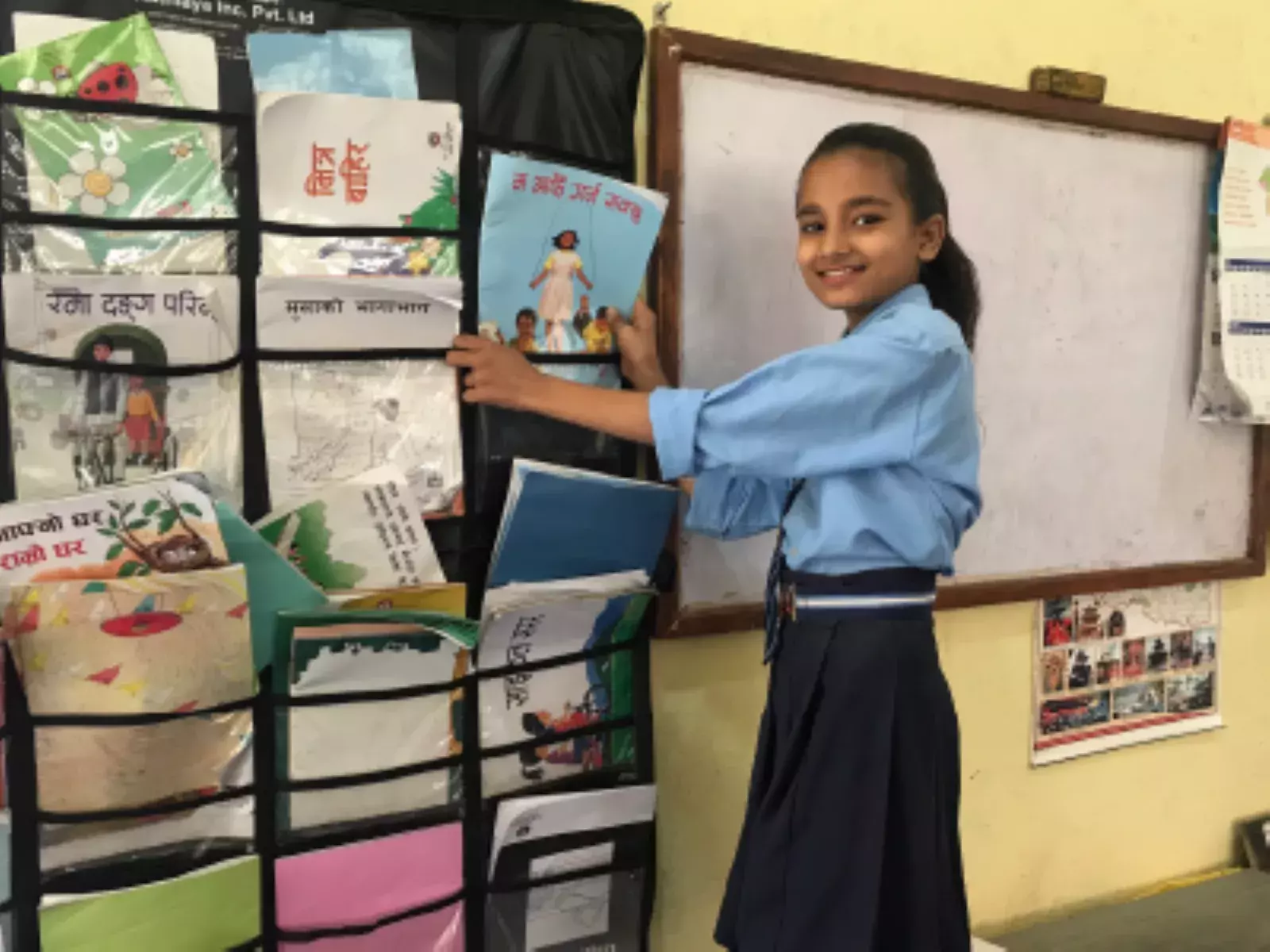
Child-friendly learning environments are created for children to foster a love for learning and lower school dropout rates. This includes ensuring children have clean and bright classrooms with proper desks and chairs; libraries with age appropriate books and learning material.
In 2025,
our donors enabled 65,945 children to received education and life skills training for a bright future.
Stories of Education
The Walk 10-Year-Old Maybelle No Longer Needs to Take
Thanks to a new water system, Maybelle no longer misses school or walks long distances. Clean, reliable water is now just steps from home -...
When Water Hurts
Water takes up most of 8-year-old Mervis’s day - and most of her childhood too. She carries 20 litres on her head, heavier than...
More Than A Job: The Men Who Drill For Hope
This Labour Day, we honour World Vision’s drilling team – skilled, selfless, and steadfast. Their work brings more than water; it brings life,...